STIs—A to Z

Sexually transmitted infections (STIs), affect people of all ages, backgrounds, and from all walks of life. As the name suggests, STIs are usually are passed on through sex—vaginal, oral or anal.

Some STIs can be spread through any contact between the penis, vagina, mouth or anus, even if there is no penetration. For example, genital herpes and human papillomavirus (HPV) can be spread through direct skin-to-skin contact—no penetration necessary. Some STIs can be spread in other ways also. For example, HIV and hepatitis B are also spread through sharing needles for injecting drugs or medicines.Knowing about STIs and how to get tested and treated is essential to taking care of your sexual health.

STIs are very common

Anyone who is sexually active can get an STI. In the U.S. alone there are approximately 20 million new cases each year. About half of these cases are in young people ages 15-24 years.

Most STIs have no symptoms

The fact that most STIs have no noticeable symptoms is one reason why the term STI is now more commonly used—a person can have an infection but no signs on any disease. So symptoms (or the lack or symptoms) is no way to judge whether you, or someone else, has an STI. The only way to know is to get tested.

Without treatment, STIs can cause severe health problems

Take chlamydia as an example. This STI is easily treated and cured with antibiotics. But if chlamydia goes untreated in a person with a uterus, it can lead to a more severe condition called pelvic inflammatory disease (PID). The uterus, fallopian tubes, and ovaries can all be damaged by untreated infection and this damage can harm future fertility (the ability to have children). In the U.S., PID is the leading cause of infertility in women.

Syphilis is another example. In the early stages of infection, syphilis can be treated and cured with antibiotics. But left untreated, syphilis can cause can cause serious, irreversibly damage and even death. Syphilis during pregnancy is also serious issue. It can cause miscarriage, stillbirth, and infant death. Babies born with syphilis can face lifelong medical issues.

All STIs are treatable

While not all STIs can be cured, they can all be treated. For example, while HIV infection can’t be cured, HIV treatment (antiretroviral therapy or ART) reduces the amount of HIV in your body and helps you stay healthy. It also helps prevent the virus from being passed on to sexual partners. Health problems can happen when STI are untreated, so getting tested regularly is important.

There are more testing options than ever before

If you have a regular health care provider, you can always ask them about STI testing. If you don’t already have a provider, you can search for a clinic that offers free or low cost testing near you. And now you can also test from the privacy of your own home, with tests conveniently delivered to you. Learn more about testing here.

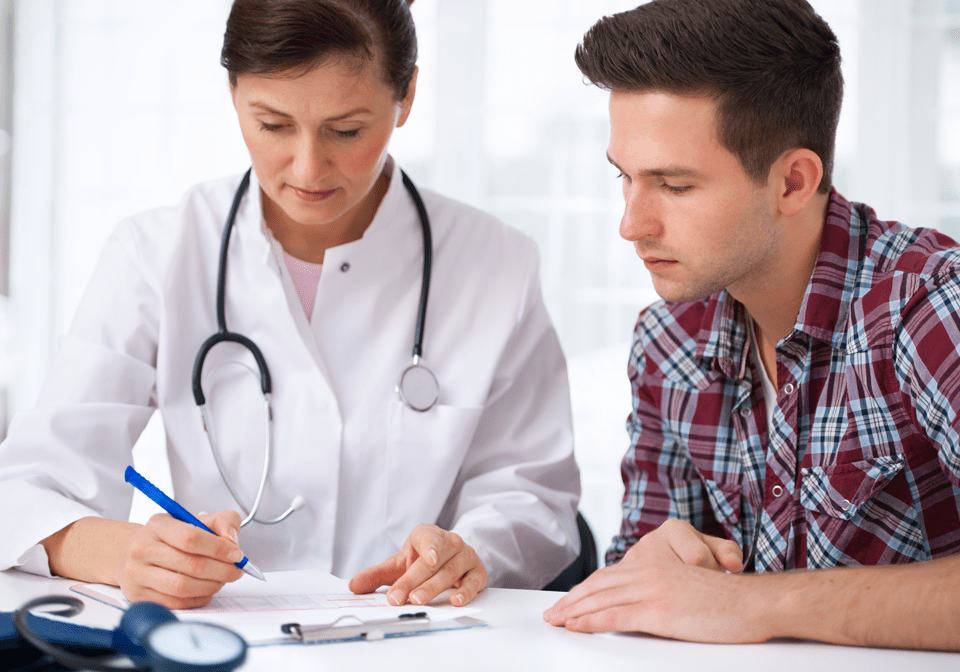
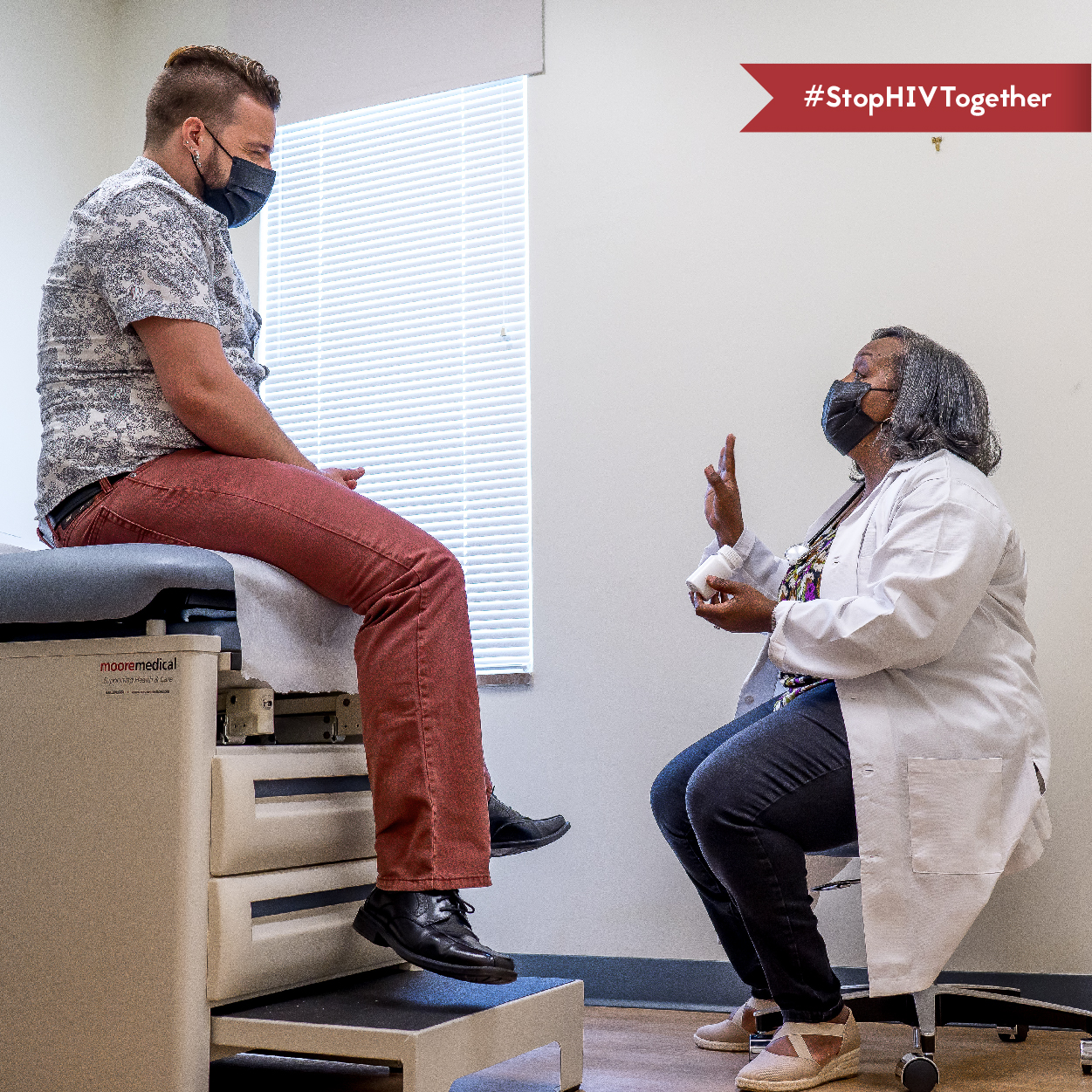
A provider talks to a patient

Chlamydia: A Common and Curable Infection

Chlamydia is the most common reported bacterial STI in the U.S. It is most common in younger people—it is estimated that 1 in 20 sexually active young women aged 14-24 years has chlamydia.
Swabs and vials for an at-home test

A Truly At-Home Test for Bacterial STIs Does Well in Trials

A completely at-home PCR test for chlamydia, gonorrhea, and trichomaniasis could allow people to test themselves and get results and treatment within a matter of hours.
A man handed a prescription for Doxy-PEP

Doxy PEP Can to Help Prevent STIs

Read through FAQa on doxy PEP is the strategy of taking the antibiotic doxycycline after condomless oral or anal sex to prevent chlamydia, gonorrhea, or syphilis.

Learn More About Doxy PEP from Three People Who Take It

Many people who take doxy PEP say it gives them peace of mind in their relationships and sex life. We sat down with Oscar Alexis, Efthimios, and Maxfield Haynes to talk about doxy PEP and get their perspective.
A vaccine vial

An Experimental Vaccine for Chlamydia Shows Promise in Early Study

A Phase 1 trail for a possible new chlamydia vaccine had encouraging results. Chlamydia is one of the most common STIs worldwide—a vaccine could dramatically change this landscape.
Doxy-PEP works

New Studies Add to Evidence that Doxy PEP Works for STI Prevention

New studies add to our evidence that doxy PEP works to prevent bacterial STIs among transgender women and men who have sex with men.
The State of STIs 2024

Latest Data Shows that Chlamydia, Gonorrhea, and Syphilis Rates are Dropping

The CDC just released STI Surveillance Data for 2024 that show cases of chlamydia, gonorrhea, and syphilis are slowly declining.
Gonorrhea

Learn About Gonorrhea and How to Prevent It

Gonorrhea (also known as “the clap”) is an infection caused by the bacteria Neisseria gonorrhoeae. It is passed on during vaginal, anal, and oral sex (performing or receiving).
Swabs and vials for an at-home test

A Truly At-Home Test for Bacterial STIs Does Well in Trials

A completely at-home PCR test for chlamydia, gonorrhea, and trichomaniasis could allow people to test themselves and get results and treatment within a matter of hours.
A man handed a prescription for Doxy-PEP

Doxy PEP Can to Help Prevent STIs

Read through FAQa on doxy PEP is the strategy of taking the antibiotic doxycycline after condomless oral or anal sex to prevent chlamydia, gonorrhea, or syphilis.

Learn More About Doxy PEP from Three People Who Take It

Many people who take doxy PEP say it gives them peace of mind in their relationships and sex life. We sat down with Oscar Alexis, Efthimios, and Maxfield Haynes to talk about doxy PEP and get their perspective.
Doxy-PEP works

New Studies Add to Evidence that Doxy PEP Works for STI Prevention

New studies add to our evidence that doxy PEP works to prevent bacterial STIs among transgender women and men who have sex with men.
Historical poster on gonorrhea

Antibiotic-Resistant Gonorrhea is On the Rise Globally 

A new report from the World Health Organization (WHO) warns of rising levels of drug-resistant gonorrhea. The data comes from reported cases of gonorrhea in 12 countries across five WHO regions.
The State of STIs 2024

Latest Data Shows that Chlamydia, Gonorrhea, and Syphilis Rates are Dropping

The CDC just released STI Surveillance Data for 2024 that show cases of chlamydia, gonorrhea, and syphilis are slowly declining.
Hepatitis C

The 5 Main Types of Hepatitis (including 2 you can vaccinated against)

Hepatitis is an inflammation of the liver that can be caused by a group of viruses—hepatitis A, B, C, D and E. When hepatitis viruses damage liver cells, scar tissue is formed and those cells can no longer function.
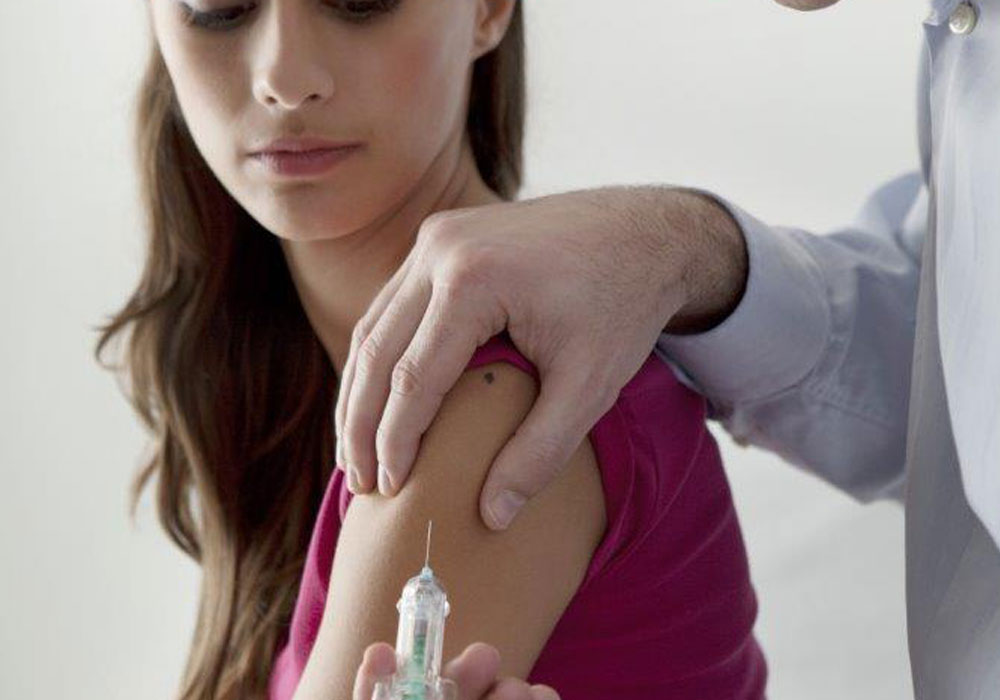
An infant with a bandage where a vaccine was administered

ACIP Changes Hepatitis B Vaccination Gudiance

A committee that advises the Centers for Disease Control and Prevention (CDC) made an alarming change to the recommendations for the hepatitis B vaccine that will leave some infants unprotected.
A newborn

Why It’s Important to Vaccinate Newborns for Hepatitis B

Experts say that vaccinating newborns against hepatitis B is one of the most important things we do to protect infants.
Hepatitis C

Cure Rates for Hepatitis C “Jarringly Low”

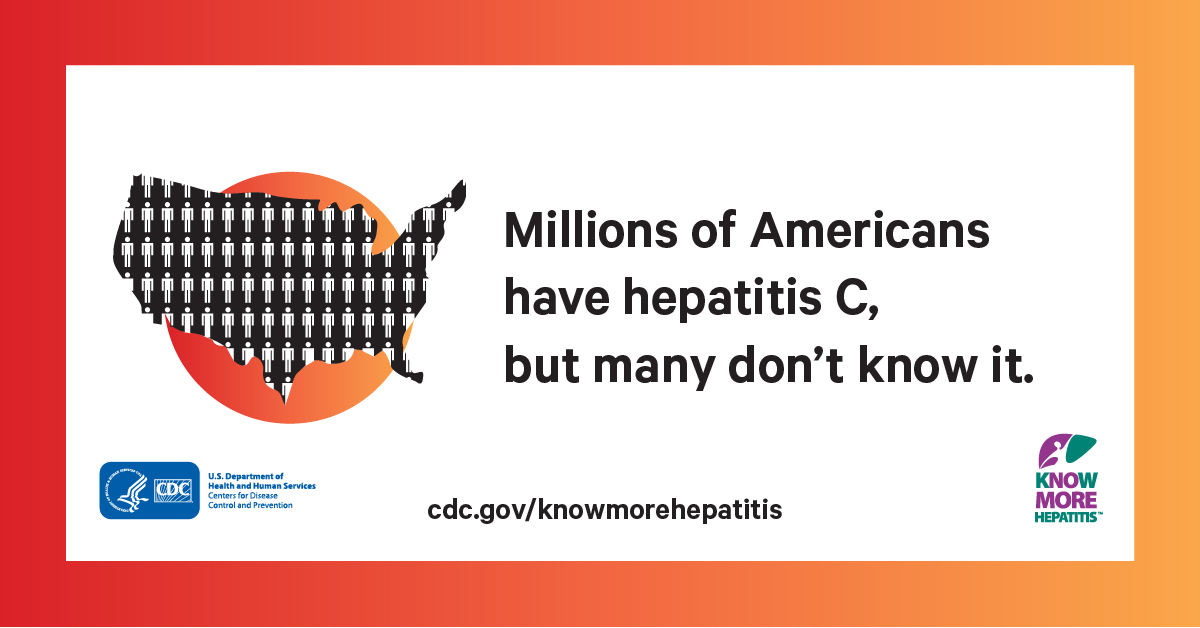
According to new data from the Centers for Disease Control and Prevention (CDC), only one in three adults in the U.S. infected with hepatitis C have been cured despite the introduction of direct-acting antivirals almost 10 years ago.
Doctor showing something to a patient

Fast facts about HSV (Herpes Simplex Virus)

Herpes is a very common viral infection caused by herpes simplex virus (HSV). I can cause sores on the mouth or face or in the genital area. Herpes cannot be cured, but it can be treated.
Managing Herpes

Managing Herpes: The Science, The Facts, The Feelings

Managing Herpes: The Science, The Facts, The Feelings helps take the mystery out of herpes, explaining everything from diagnosis and treatment, to symptom management, to herpes and pregnancy.
A microphone and a pair of headphones

Diagnosing and Managing Genital Herpes

In this two-part episode of ASHA's Sex+Health podcast, Terri Warren, RN, ANP explains many approaches to diagnosing herpes as well as strategies to effectively manage herpes in a relationship and deal with the emotional aspects of the diagnosis.
STI National Plan

HHS Recognizes Herpes as a Priority in the STI National Plan

The STI National Plan has now been amended to add genital herpes as a priority.
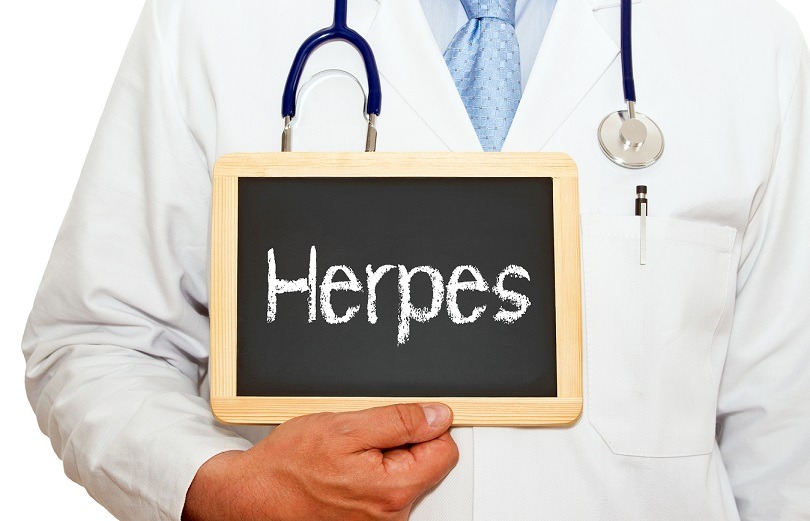
Doctor holding a sign that says herpes

ASHA Survey Shows Many Herpes Patients Diagnosed Incorrectly

Think you can tell that a rash or sore is a genital herpes infection just by looking at it? If you said “no,” you’re right. You can’t. And neither can your healthcare provider.
USPSTF Logo

Task Force Decides Against Routine Herpes Screenings

The U.S. Preventative Service Task Force (USPSTF) has advised against routine screening for herpes in adolescents, adults, and pregnant women.
Two people holding hands on a table

Herpes Support Groups

Support groups provide information and allow participants to share experiences, fears, and feelings with others who are concerned about herpes.
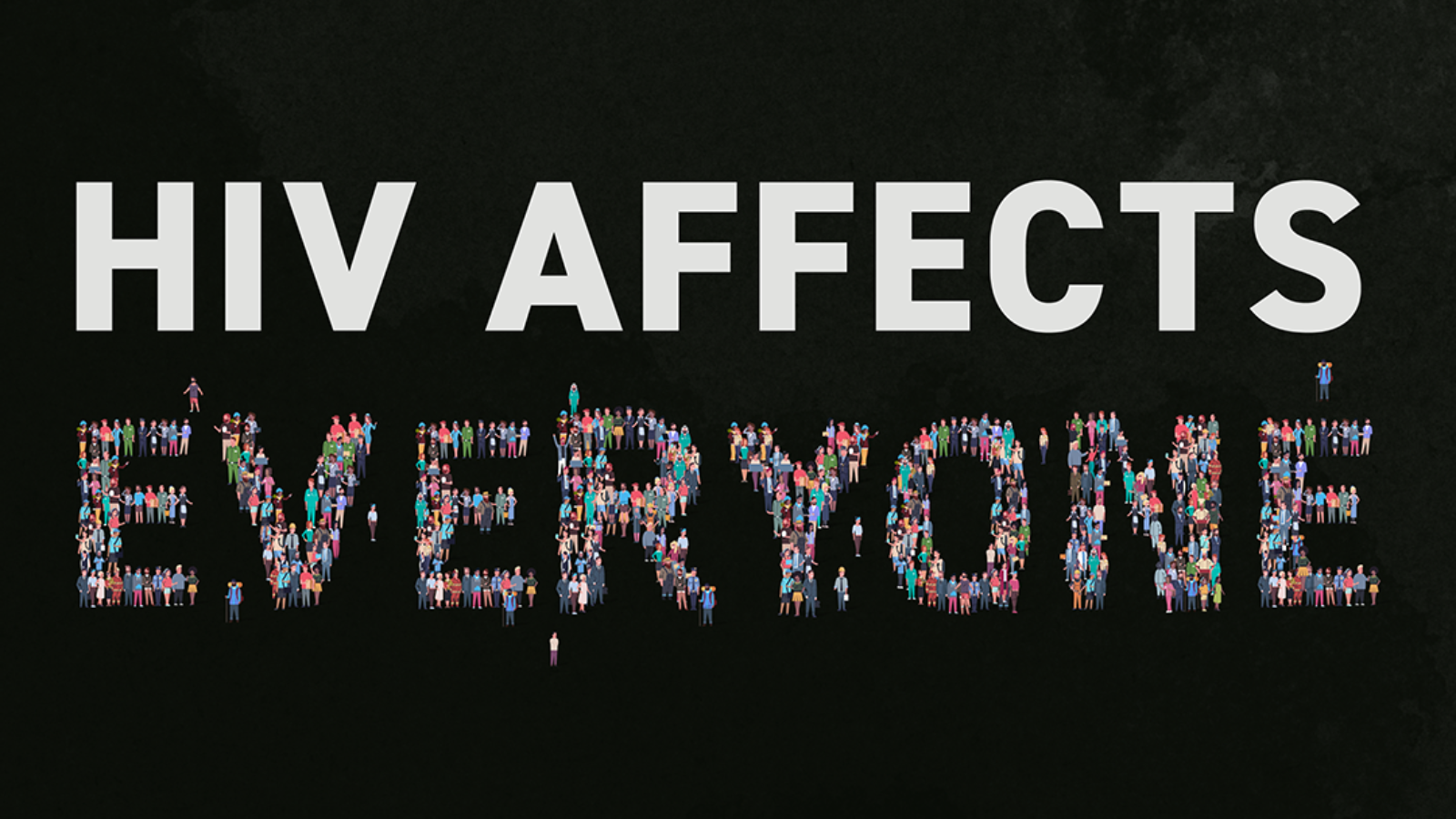
HIV Affects Everyone

Fast Facts about HIV

HIV stands for Human Immunodeficiency Virus. Learn the basics about HIV prevention, testing, and treatment.
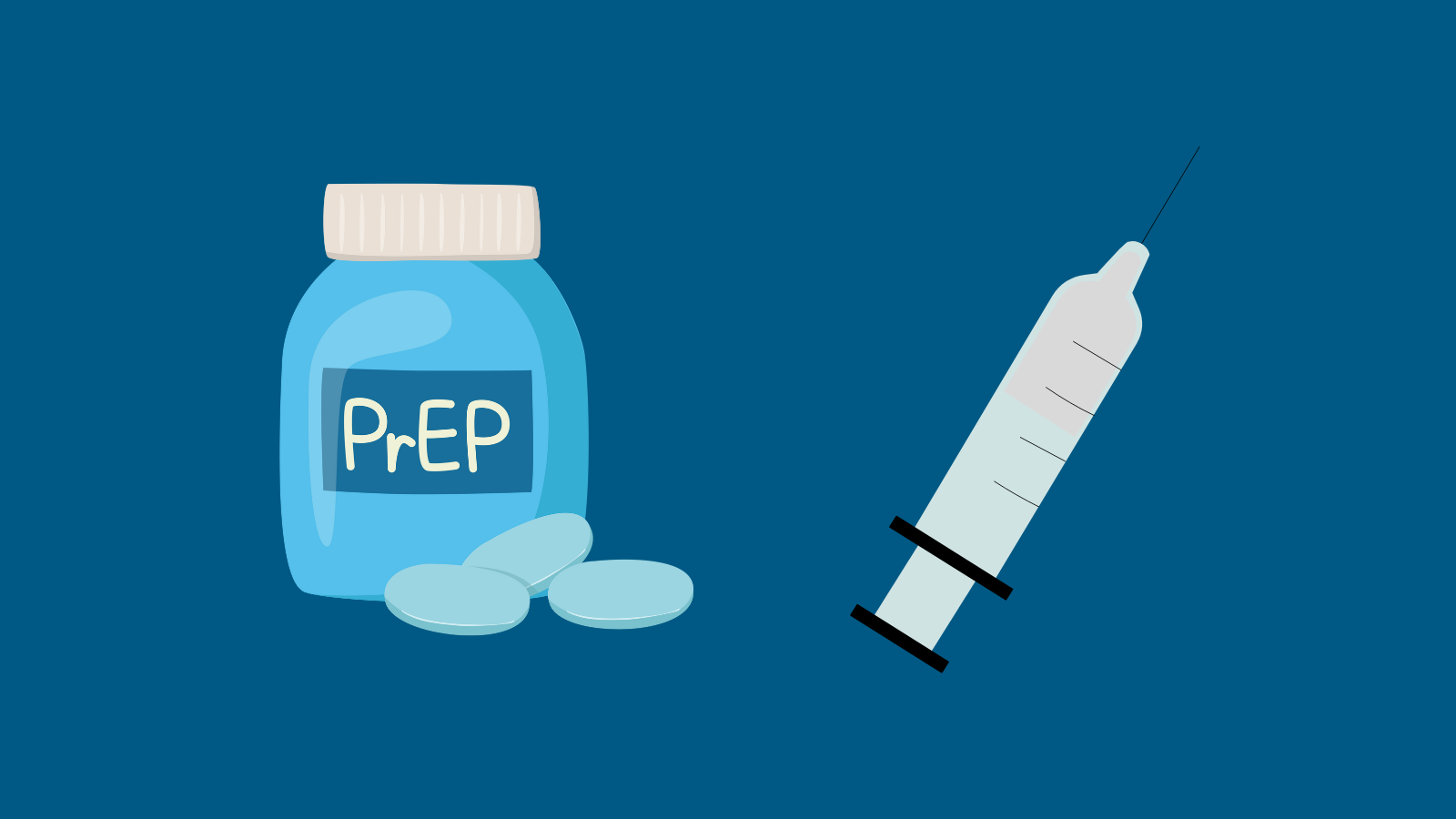
PrEP in a pill or a shot

PrEP

PrEP stands for pre-exposure prophylaxis. The word prophylaxis means to prevent or control the spread of an infection or disease. The goal of PrEP is to prevent HIV infection from taking hold if you are exposed to the virus.
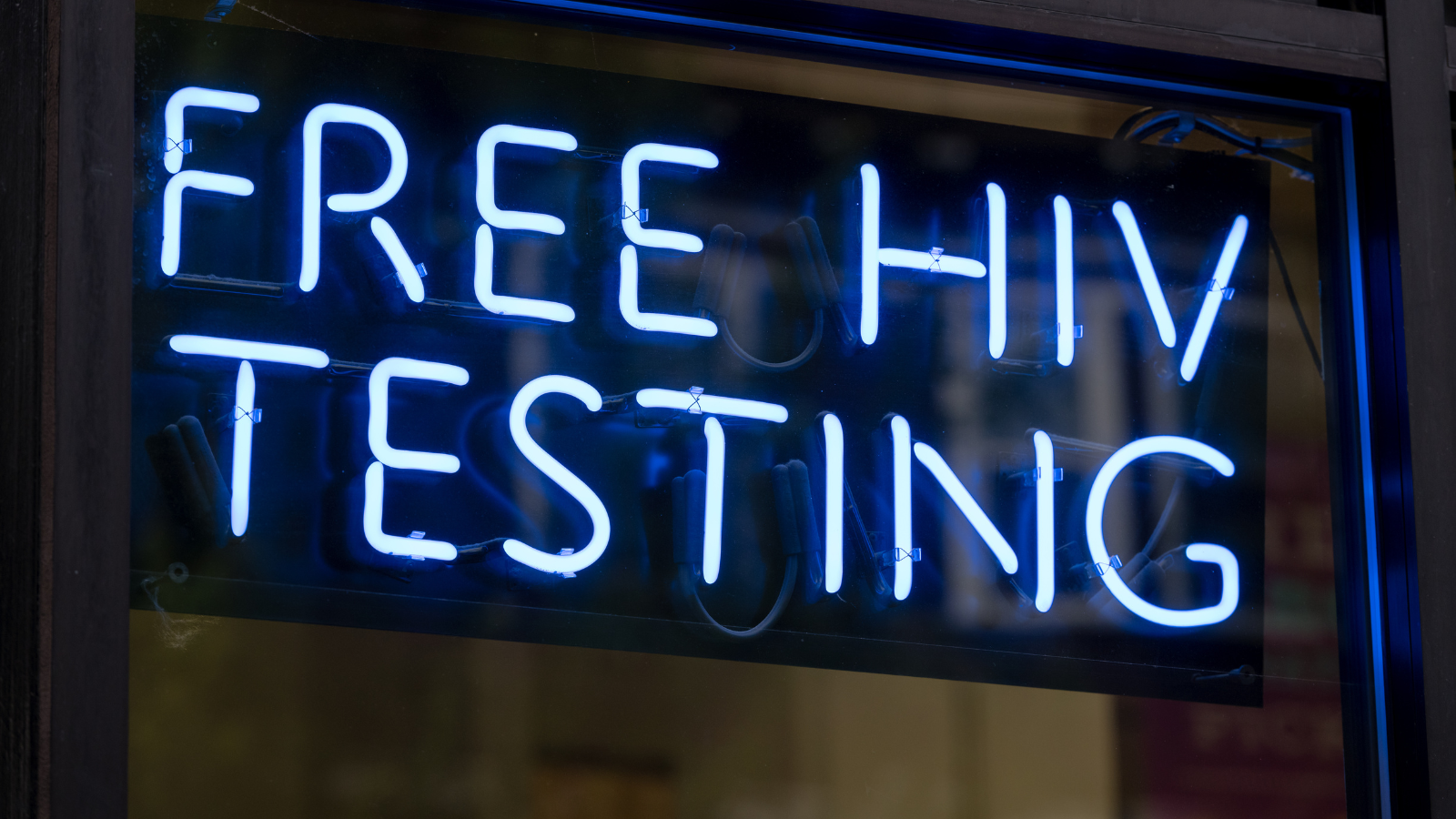
Free HIV and STI Testing

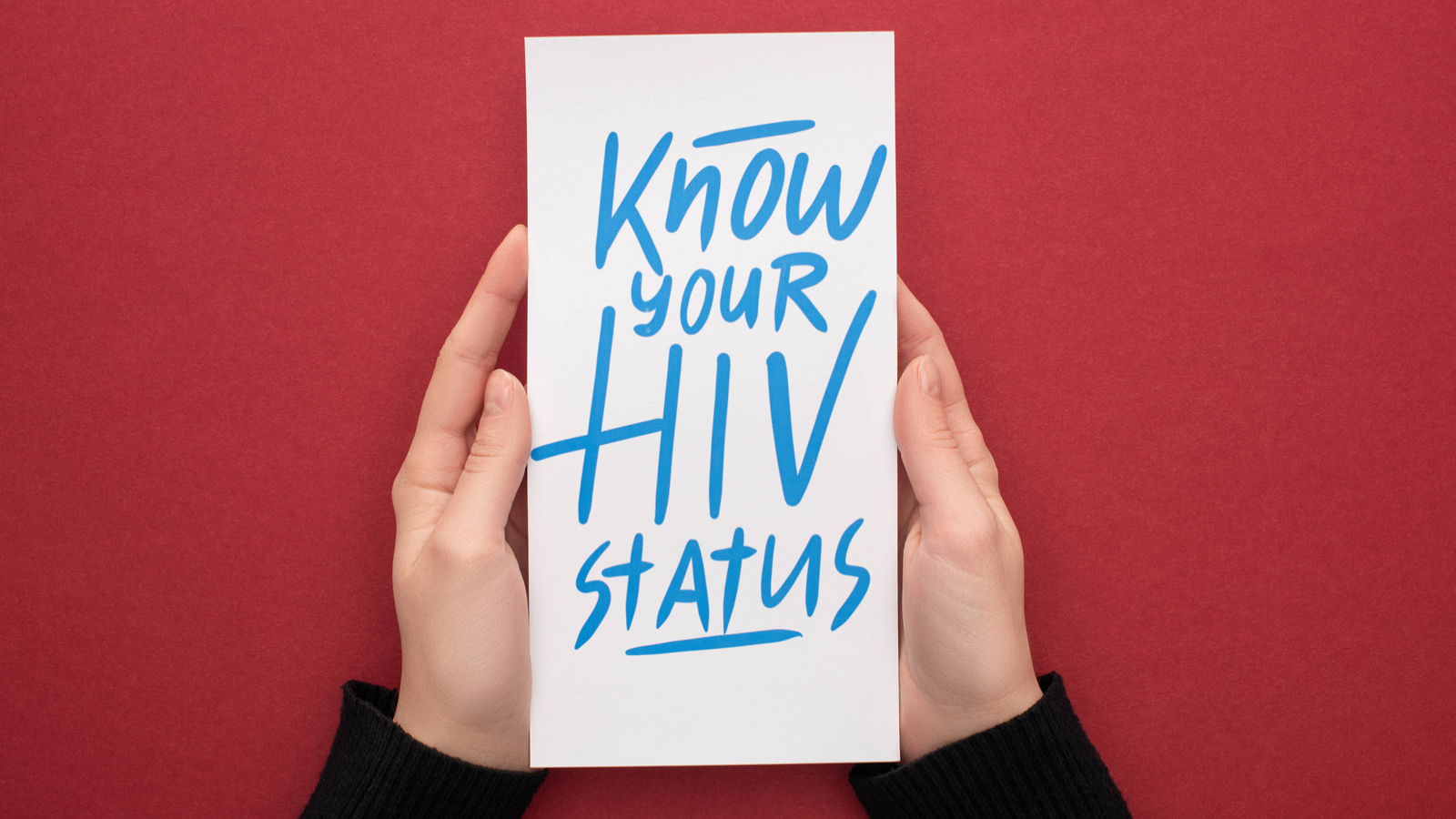
HIV Testing

The only way to tell you have HIV is get tested. Testing is recommended at least once for everyone, and may be recommended more often for some. Testing can be quick, easy and confidential.
National Gay Men's HIV/AIDS Awareness Day

Living with HIV

Life continues after becoming HIV positive. Thanks to new treatments, many people with HIV are living long, healthy lives.
Vampire facial

Vampire Facials Confirmed as Cause of At Least Three HIV Infections 

A joint investigation by the CDC and the New Mexico Health Department has confirmed that an unlicensed medi-spa is responsible for at least three cases of HIV.
HIV Treatment

People with Low Viral Loads Have Almost Zero Chance of Transmitting HIV Through Sex

A new meta-analysis of eight published studies found that the risk of sexual transmission of HIV is almost zero in people with low viral loads.

Update to PrEP Recommendations Include Long-Acting Shot

The USPSTF recently released updated recommendations on Pre-Exposure Prophylaxis for preventing the sexual transmission of HIV. The recommendations add additional medications, including a long-acting injectable.
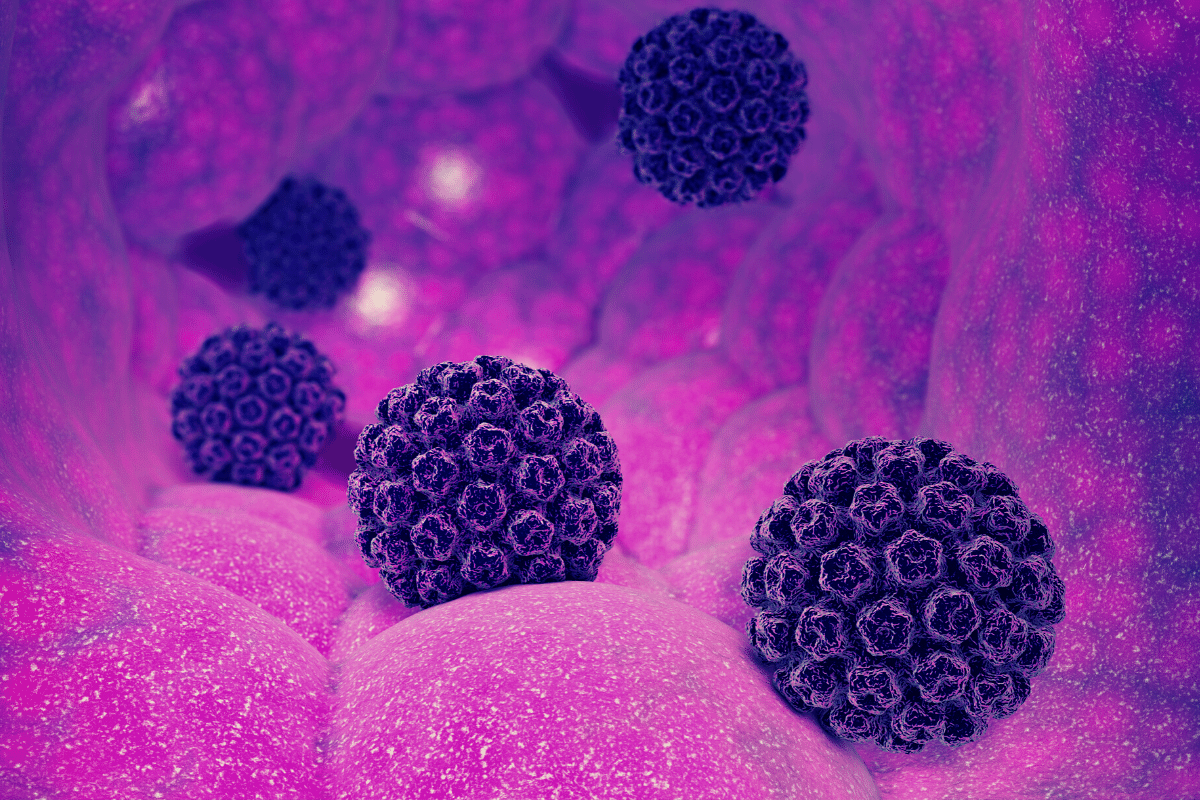
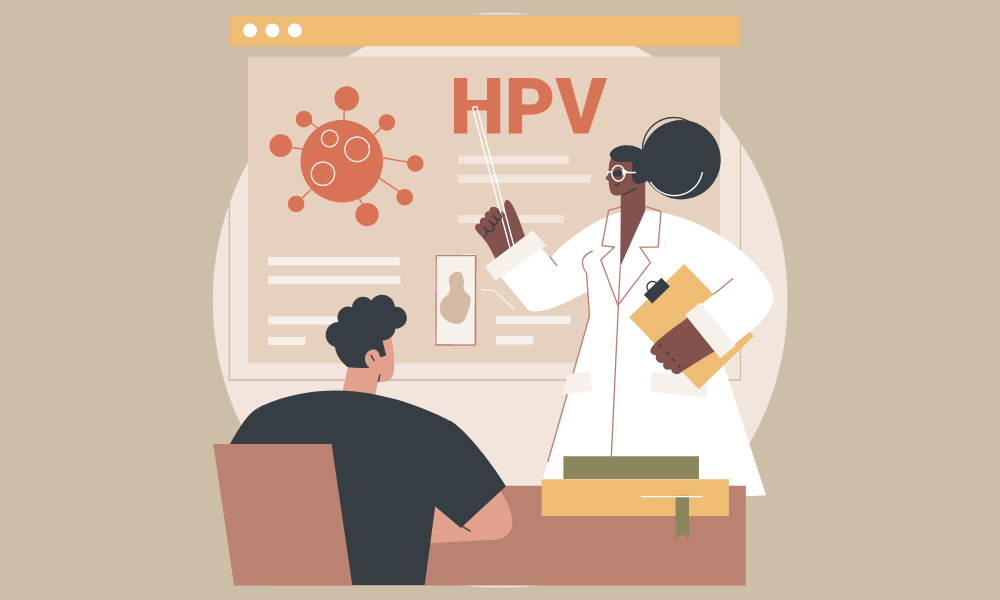
An image of HPV

Human Papillomavirus (HPV)

Human papillomavirus, or HPV, is very common. Some types of HPV can cause genital warts and other types can cause cancer, including cancer of the cervix, vulva, vagina, penis or anus, as well as cancer in the back of the throat.
Anal cancer

An Anal Cancer Primer

The American Cancer Society estimates that there will be about 11,270 new cases of anal cancer in the U.S. in 2026, with approximately 1,700 deaths.
Hands holding a teal ribbon

How to Prevent HPV and Cervical Cancer

Though usually harmless, some types of HPV cause cervical lesions that, over a period of time, can develop into cancer if untreated.
A woman holds a Teal Wand, a device for at-home cervical cancer screening

FDA Approves At-Home Collection Device for Cervical Cancer Screening 

The FDA just approved the Teal Wand, a self-collection device for HPV testing that does not require a speculum exam or even a trip to the doctor’s office. People can collect their own sample at home and send it to a lab for analysis.
Fact or fake

A Cure for HPV? Evaluating HPV Treatment Options

So called "cures" for HPV can sound impressive, but bold claims don't means these products have been through necessary research to ensure that it is safe and effective. Learn how to distinguish between facts and hype.
A man hold on to his throat

HPV-Related Head and Neck Cancer

You have probably heard that HPV can cause cervical cancer. But did you know that it can also cause cancers of the mouth, tongue, and throat?
An adolescent gives a thumbs up after getting an HPV vaccine

Is One Shot of the HPV Vaccine Enough?

Research suggests that only one dose of the HPV vaccine may be effective enough to prevent HPV-related disease, including cancer.
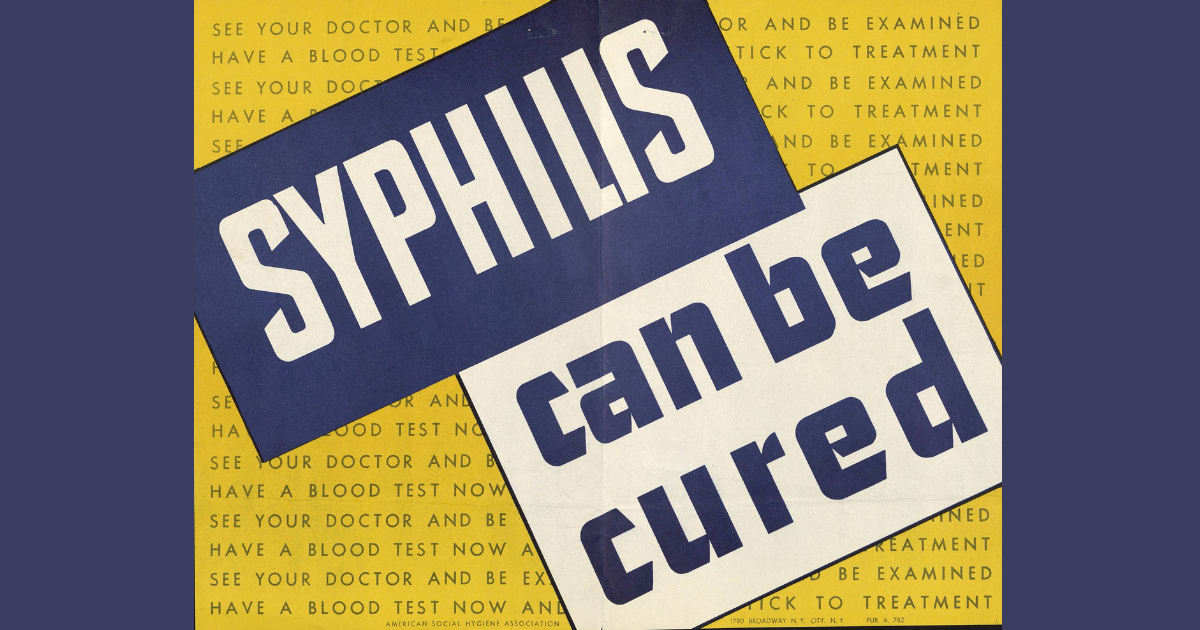
Syphilis can be cured

Understanding Syphilis and How to Prevent It

Syphilis can be treated more easily if it is caught early. But undiagnosed and untreated syphilis can be dangerous. It can cause irreversible health damage and even death.
A man handed a prescription for Doxy-PEP

Doxy PEP Can to Help Prevent STIs

Read through FAQa on doxy PEP is the strategy of taking the antibiotic doxycycline after condomless oral or anal sex to prevent chlamydia, gonorrhea, or syphilis.

Learn More About Doxy PEP from Three People Who Take It

Many people who take doxy PEP say it gives them peace of mind in their relationships and sex life. We sat down with Oscar Alexis, Efthimios, and Maxfield Haynes to talk about doxy PEP and get their perspective.
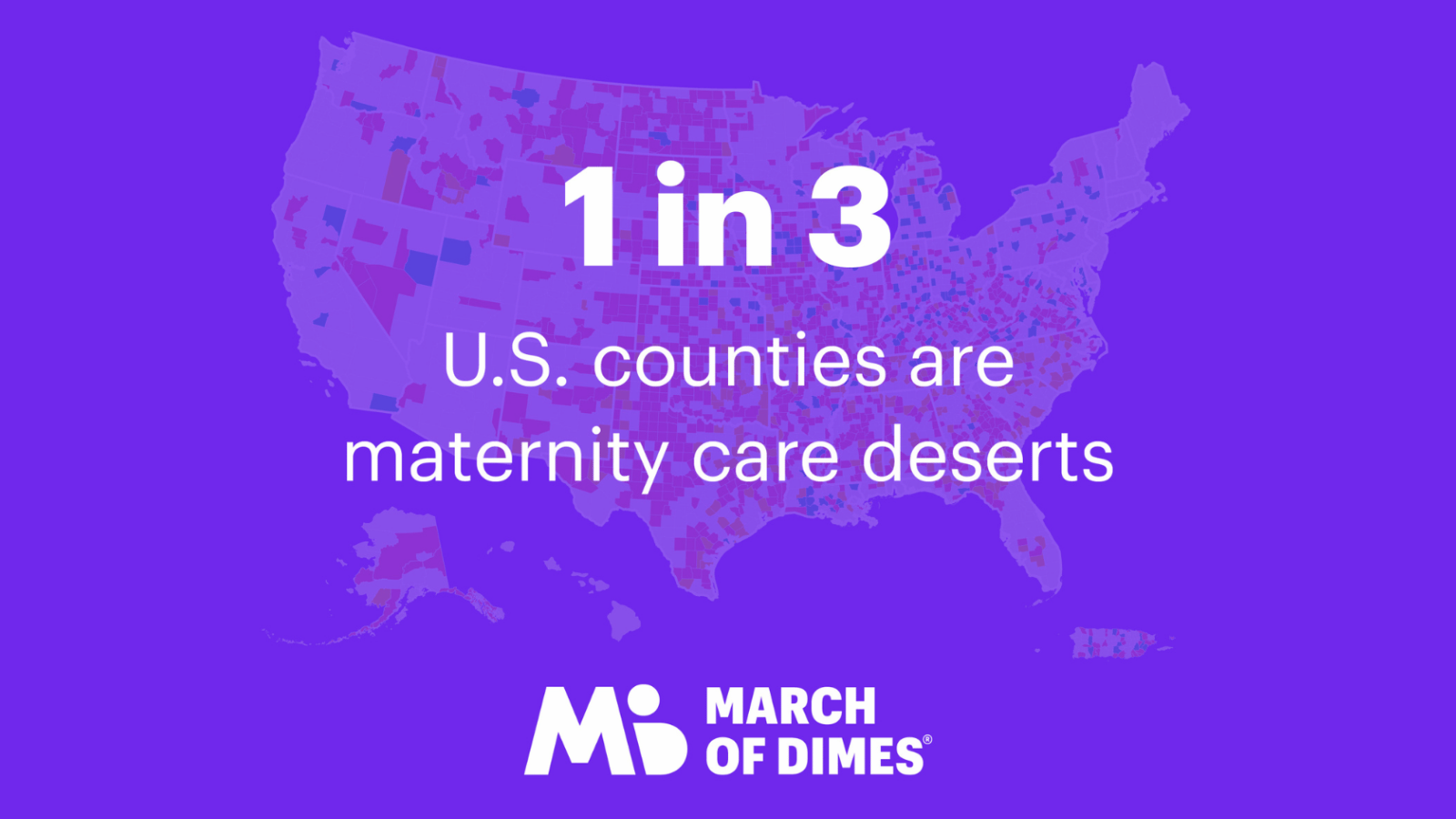
Maternity Care Deserts

Federal Government Invests $4 Million to Prevent Syphilis in Newborns 

The U.S. Department of Health and Human Services (HHS) is investing $4 million to expand rapid syphilis testing. The goal is to find and treat more cases of syphilis during pregnancy to prevent congenital syphilis and its complications.
A pregnant person kneels on the floor

Fewer Women Are Getting Prenatal Care (and Missing an Important Chance to Prevent Congenital Syphilis)

A new report shows that fewer women are getting prenatal care. That means too many patients are missing the chance to prevent congenital syphilis.

The number of babies born with syphilis in the United States is increasing at an alarming rate. There were over 10 times as many babies born with syphilis in 2022 than in 2012.
Pregnant person examined by health care provider

Shortage of Only Drug Approved to Treat Syphilis in Pregnant People

Treating syphilis during pregnancy can help both mother and child, but there is a shortage of Bicillin-L-A, the only antibiotic approved for this population.
Trichomoniasis

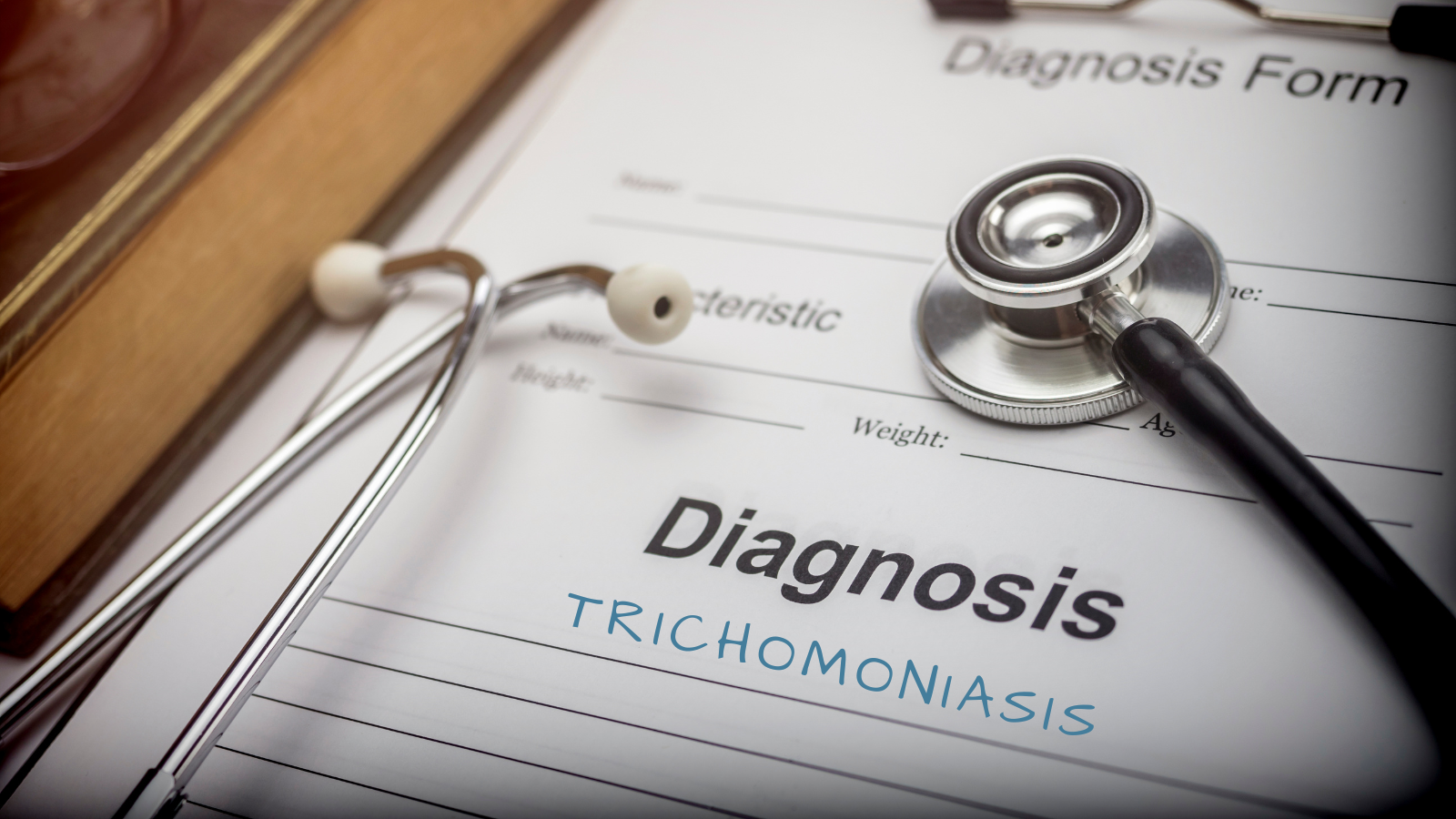
Trichomoniasis (a.k.a. “Trich)

With roughly two million cases in the U.S., trichomoniasis (“trich”) is the most common STI you’ve never heard of. Learn more about this common STI in our four-part expert series.
Swabs and vials for an at-home test

A Truly At-Home Test for Bacterial STIs Does Well in Trials

A completely at-home PCR test for chlamydia, gonorrhea, and trichomaniasis could allow people to test themselves and get results and treatment within a matter of hours.
Swab test for chlamydia, gonorrhea, and trich

FDA Approves a New At-Home Test for Three Common STIs

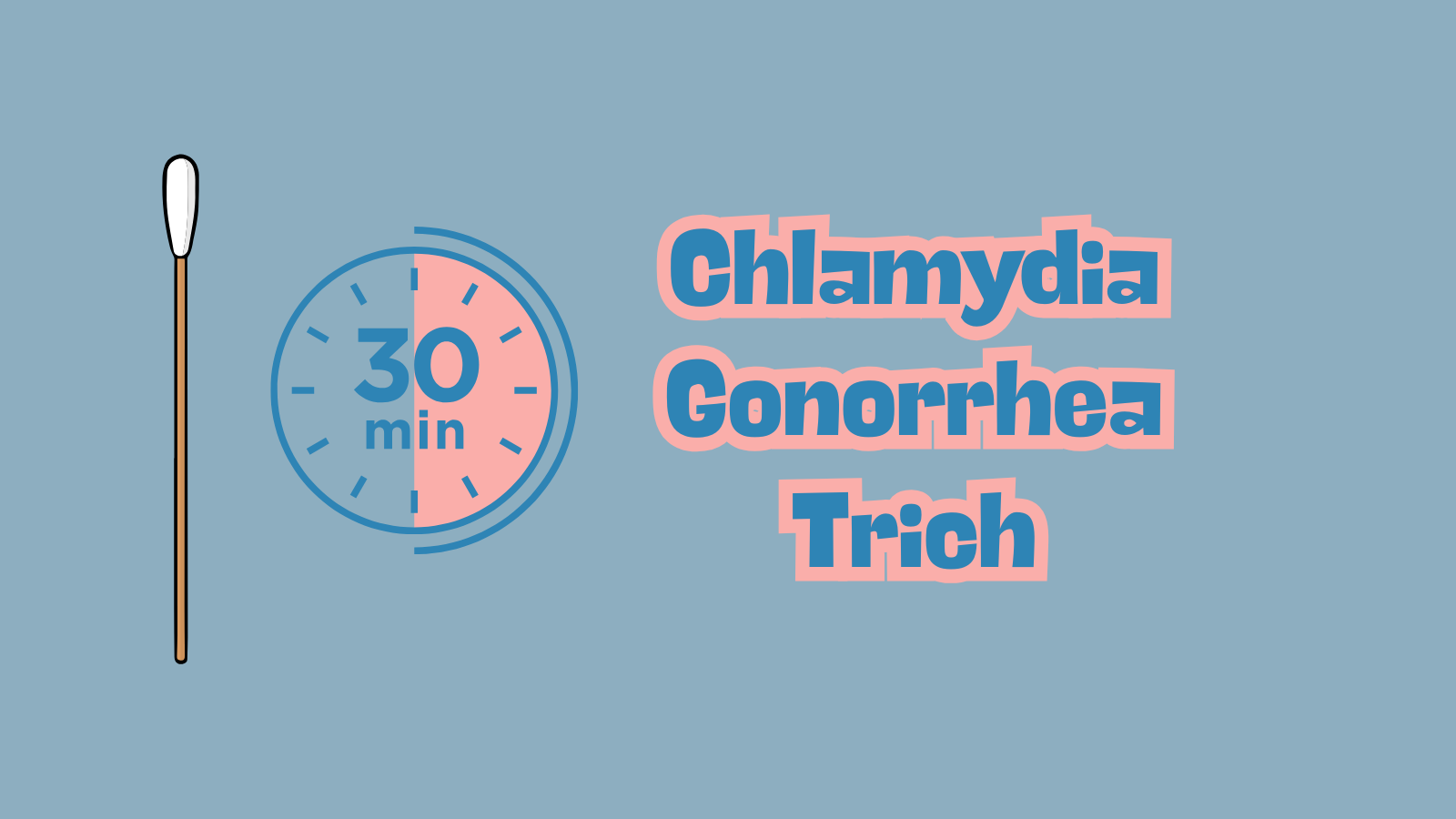
The FDA just approved a new, fully at-home test for chlamydia, gonorrhea, and trichomoniasis. The tests, which is only for women, will be available without a prescription. Users can collect their own sample and have results in less than 30 minutes.
Healthy vaginas

Vaginal Health

What keeps a vagina healthy? Like many things in life, it’s all about balance. What's important is to know what's normal and when things may be off—and when to seek care.
A person with lesions on their abdomen from scabies

Scabies

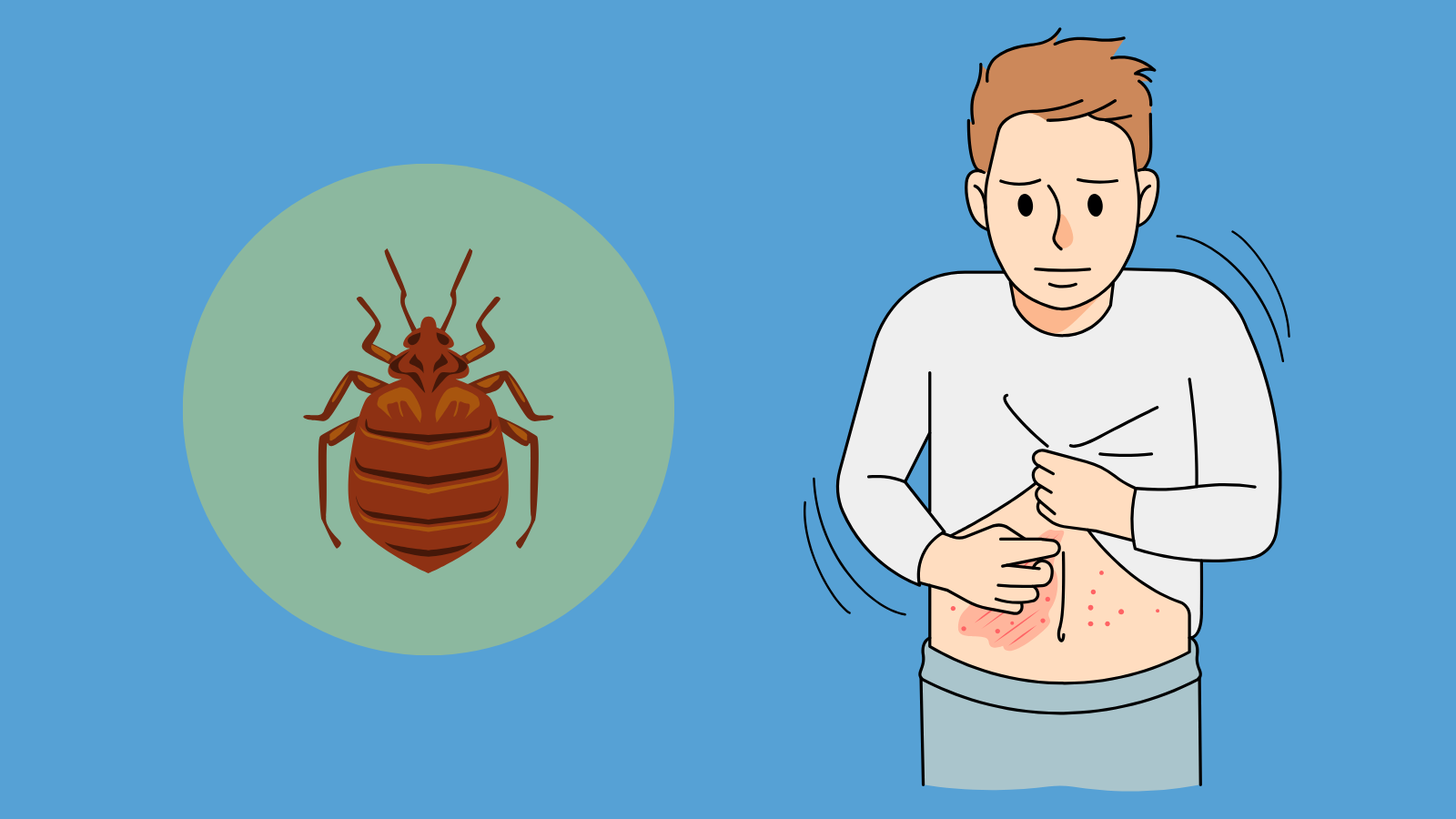
Scabies is an infestation of the top layer of skin caused by the parasite. Scabies are passed on through close physical contact. Transmission is more likely when partners spend the night together than during a brief sexual encounter.
NGU

NGU, or Nongonoccocal Urethritis

Nongonococcal urethritis—or NGU—is an infection of the urethra caused by germs other than gonorrhea. The most common cause is chlamydia.
A sample is viewed under a microscope

Molluscum Contagiosum

Molluscum contagiosum is a skin disease caused by the molluscum contagiosum virus (MCV) Once a disease primarily of children, molluscum has evolved to become a sexually transmitted infection in adults.
Mgen

MGen: The STI You’ve (Probably) Never Heard Of

Mycoplasma genitalium, or Mgen, was first identified in 1981. It is a bacterium that can infect the reproductive tract and is passed on through sexual contact.
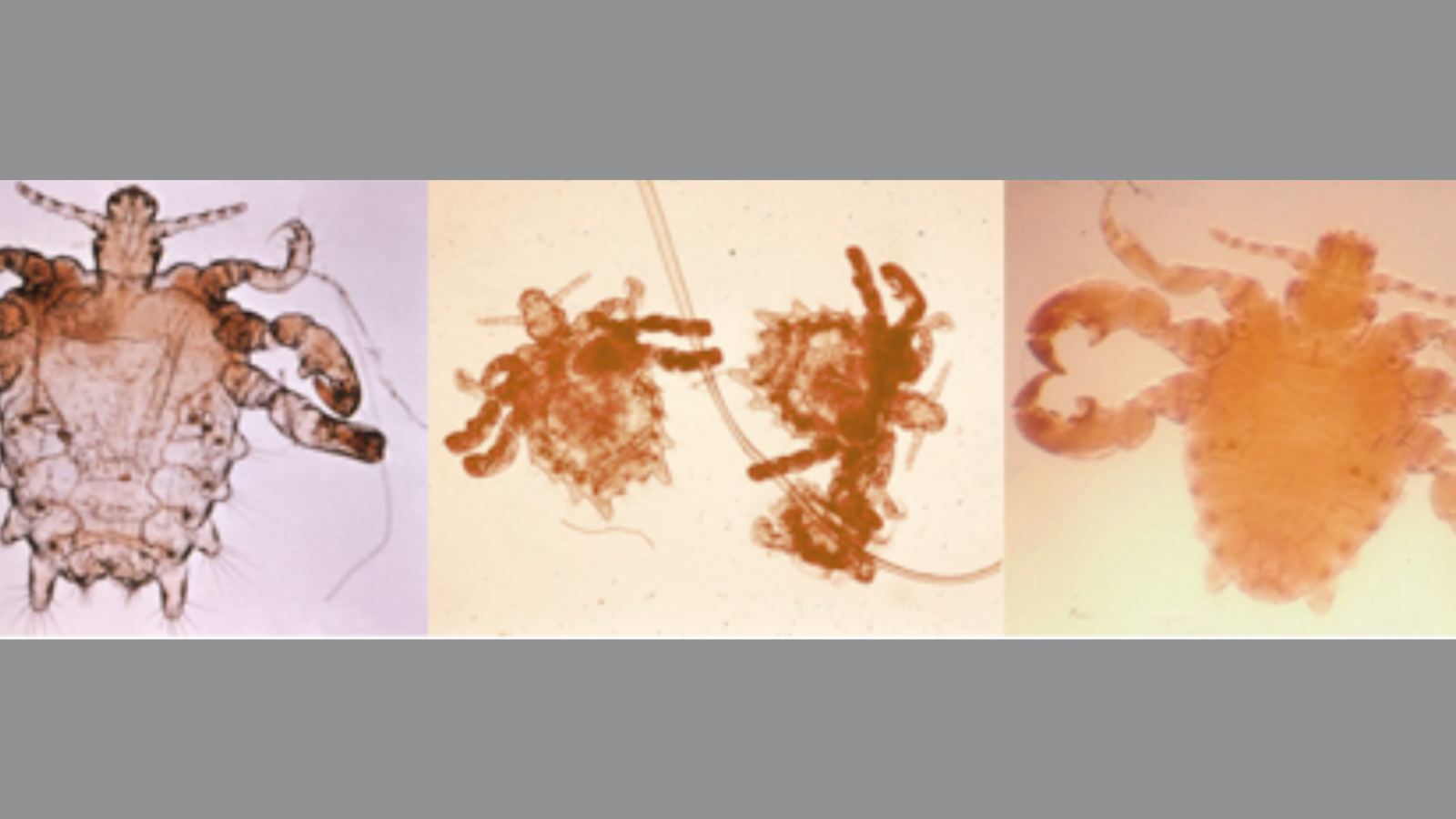
Pubic lice or crabs

Crabs (a.k.a. Pubic Lice) usually don’t cause anything more than discomfort and inconvenience

Pubic lice, also known as crabs, are small parasites that are usually found on the pubic hair. Symptoms of crabs can be bothersome, but in general crabs don't cause anything more than discomfort and inconvenience.